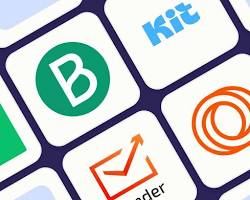

Email marketing tools are essential for businesses that want to build strong customer relationships, drive sales, and increase engagement. In 2025, with the rise of automation and personalisation, choosing the right email marketing tools is more important than ever.
Whether you run a small business or manage a large eCommerce store, this guide will help you find the best email marketing tools for your needs.
What Are Email Marketing Tools?
Email marketing tools are platforms or software that help you create, send, and manage email campaigns. These tools allow you to:
- Design beautiful emails
- Segment your audience
- Set up automated workflows
- Analyze performance (open rate, click rate, etc.)
Using email marketing tools, you can communicate directly with your customers, promote your products, and boost conversions — all from one dashboard.
Why You Need the Right Email Marketing Tools
Not all email marketing tools are created equal. The right tool will:
- Save you time with automation
- Improve your ROI
- Help you grow and manage your email list
- Ensure high deliverability (your emails land in inboxes, not spam)
By investing in professional email marketing tools, you can scale your business more efficiently and build long-term customer loyalty.
Top 5 Email Marketing Tools in 2025
Let’s look at the most popular and reliable email marketing tools you can use today:
1. Mailchimp – Best for Beginners
Website: mailchimp.com
Mailchimp is one of the most user-friendly email marketing tools for beginners and small businesses. It offers pre-made templates, audience segmentation, automation, and a free plan for up to 500 contacts.
2. ConvertKit – Ideal for Content Creators
Website: convertkit.com
ConvertKit is one of the top email marketing tools for bloggers, YouTubers, and creators. It allows you to create visual automation flows and tag subscribers based on their behavior.
3. Brevo (formerly Sendinblue) – Best for Marketing + Transactional Emails
Website: brevo.com
Brevo is a powerful and affordable email marketing tool that supports email, SMS, and automation. It’s ideal for eCommerce stores that need transactional emails and marketing campaigns in one platform.
4. MailerLite – Simple Yet Powerful
Website: mailerlite.com
One of the most affordable email marketing tools for small businesses. MailerLite offers automation, pop-ups, landing pages, and strong deliverability at a low cost.
5. ActiveCampaign – Advanced Automation + CRM
Website: activecampaign.com
If you need deep automation and customer journey mapping, ActiveCampaign is one of the most advanced email marketing tools on the market. It’s perfect for businesses looking to scale and track every step of the customer journey.
How to Choose the Best Email Marketing Tools
Here’s what to consider when choosing from the many email marketing tools available:
- Pricing: Do you need a free plan or enterprise-level features?
- Features: Do you want simple newsletters or complex automations?
- Integrations: Does it connect with your website, CRM, or eCommerce platform?
- Ease of use: Can you set up and run campaigns easily?
Test a few email marketing tools using their free trials to see what fits your workflow best.
Email Marketing Tips Using the Right Tools
Once you’ve selected your email marketing tools, use these tips to maximize your results:
- Segment your list – Target the right audience with relevant content
- Personalize your emails – Use names and dynamic content blocks
- Automate your campaigns – Welcome emails, abandoned cart, re-engagement
- Track results – Monitor open rate, CTR, and conversions using built-in analytics
- A/B test regularly – Test subject lines, content, and CTAs to improve performance
Final Thoughts: Which Email Marketing Tools Should You Choose?
There are many email marketing tools out there, but the best one depends on your goals, budget, and level of experience.
- For beginners: Mailchimp or MailerLite
- For creators: ConvertKit
- For automation: ActiveCampaign
- For affordability: Brevo
Choosing the right email marketing tools can help you save time, improve customer engagement, and boost your business growth.