


Android Development Internship
Ship a Kotlin app with real architecture: local storage, networking, auth and a signed Play Store build. Not another tutorial clone.
- Kotlin
- Jetpack Compose
- Room
- Retrofit
- Hilt
- Play Console
- Kotlin
- Jetpack Compose
- Room
- Retrofit
- Hilt
- Play Console
- Kotlin
- Jetpack Compose
- Room
- Retrofit
- Hilt
- Play Console
- Kotlin
- Jetpack Compose
- Room
- Retrofit
- Hilt
- Play Console
- Kotlin
- Jetpack Compose
- Room
- Retrofit
- Hilt
- Play Console
- Kotlin
- Jetpack Compose
- Room
- Retrofit
- Hilt
- Play Console
- Kotlin
- Jetpack Compose
- Room
- Retrofit
- Hilt
- Play Console
- Kotlin
- Jetpack Compose
- Room
- Retrofit
- Hilt
- Play Console
Architecture is the part tutorials skip
Anyone can put a button on a screen. This track is about what happens when the network dies, the process is killed, and the product manager changes the requirement in week nine.
- 1You get a product brief, a Figma file and a deadline
- 2You build features on branches and open pull requests
- 3Your mentor reviews architecture, not just output
- 4You refactor, merge, and ship a signed release
No prior Android needed. Weeks 1 to 3 cover Kotlin and Compose from zero.
// Week 6: one state object, no leaking coroutines
@HiltViewModel
class OrdersViewModel @Inject constructor(
    private val repo: OrderRepository
): ViewModel() {

    val state: StateFlow<OrdersState> = repo.observe()
        .map { OrdersState.Ready(it) }
        .catch { emit(OrdersState.Error(it.message)) }
        .stateIn(viewModelScope, SharingStarted.WhileSubscribed(5000),
                 OrdersState.Loading)

    fun refresh() = viewModelScope.launch { repo.refresh() }
}
Eight things you will actually be able to do
Kotlin
Coroutines, flows, sealed classes and the idioms Android teams expect.
Jetpack Compose
Declarative layouts, state hoisting, theming and reusable components.
MVVM architecture
ViewModels, unidirectional state and keeping logic testable.
Room database
Entities, DAOs, migrations and an offline-first cache that actually works.
Retrofit networking
Typed responses, interceptors, pagination, retry and error mapping.
Hilt dependency injection
Modules, scopes and why your ViewModel should not build its own repository.
Lifecycle and permissions
Process death, background limits, runtime permissions, WorkManager.
Play Store release
Signing, App Bundles, Play Console listing and the pre-launch report.
The 12-week plan
Four phases. Each one ends in a deliverable that is reviewed and graded before the next opens.
Kotlin and Compose
The language and the UI toolkit, from zero.
- Kotlin fundamentals, null safety, coroutines
- Compose layouts, modifiers, state and recomposition
- Material 3 theming and reusable components
- Android Studio, Gradle, Git and pull requests
Four Compose screens built pixel-accurately from the supplied Figma file.
Data layer
Networking and storage that survive a bad connection.
- Retrofit, OkHttp interceptors and typed models
- Room entities, DAOs, relations and migrations
- Repository pattern and offline-first sync
- Loading, empty, error and retry states
A list-and-detail flow on live API data with pagination, search and full offline support.
Architecture and auth
Making it maintainable and secure.
- MVVM with StateFlow and unidirectional state
- Hilt dependency injection and module scoping
- Token auth, secure storage and route guards
- WorkManager background sync and notifications
An authenticated app with role-based screens, background sync and unit-tested ViewModels.
Ship it
From debug APK to a listing on Google Play.
- Unit and UI tests, Compose previews, profiling
- R8 shrinking, app size and startup performance
- Signing, App Bundle, Play Console and the listing
- Portfolio case study, CV rewrite, mock interview
A signed release App Bundle, a public GitHub repository and a written case study.
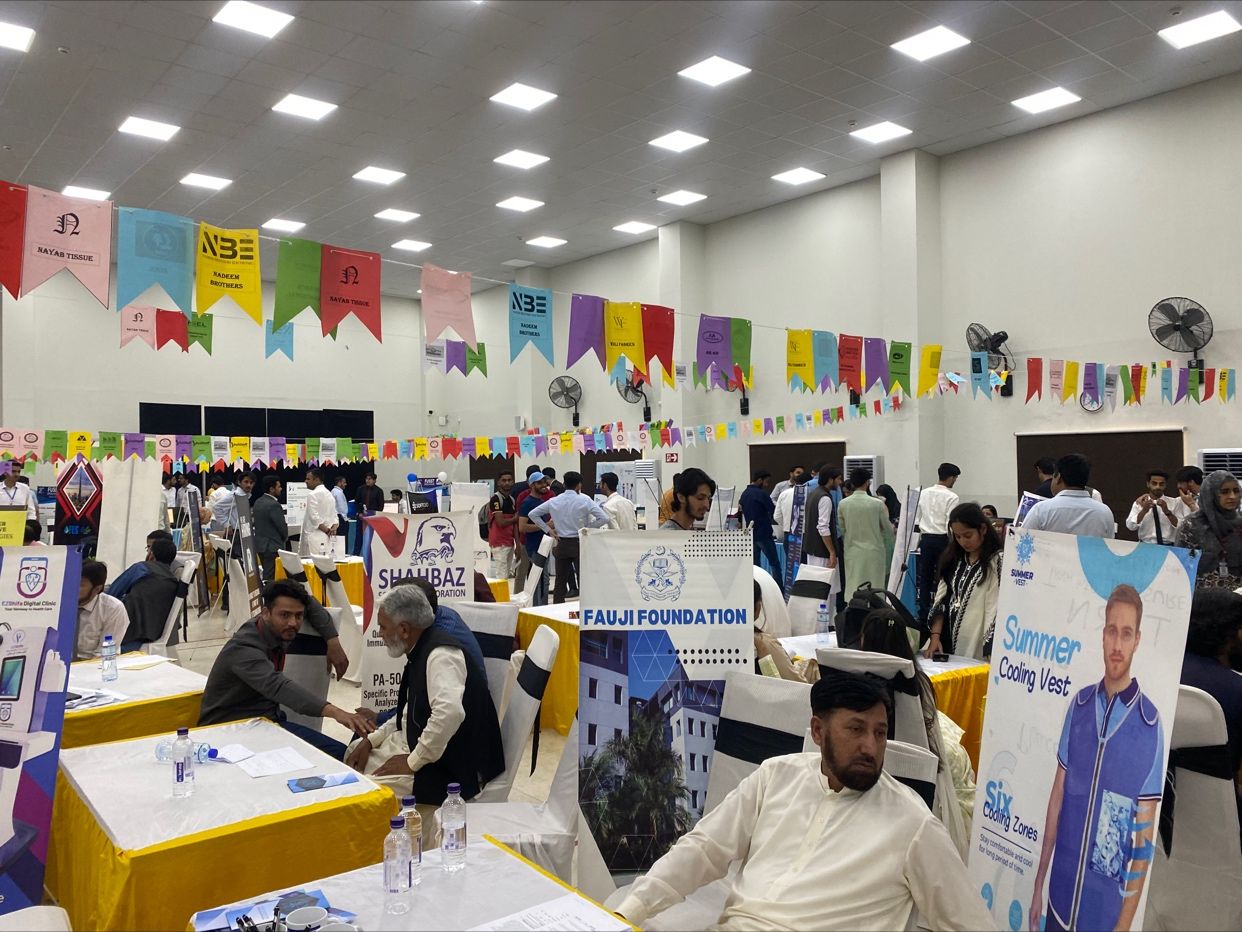
Every intern ships one real Android app
You are assigned a live brief from Ezitech’s delivery pipeline: a delivery tracker, an inventory scanner, a field reporting tool. You own it end to end.
- Kotlin, Compose and a tested architecture
- Offline storage, real API, real authentication
- Signed and ready for the Play Store




What every Ezitech intern gets
Three things that make this different from a course you watch on a screen.
Live client briefs
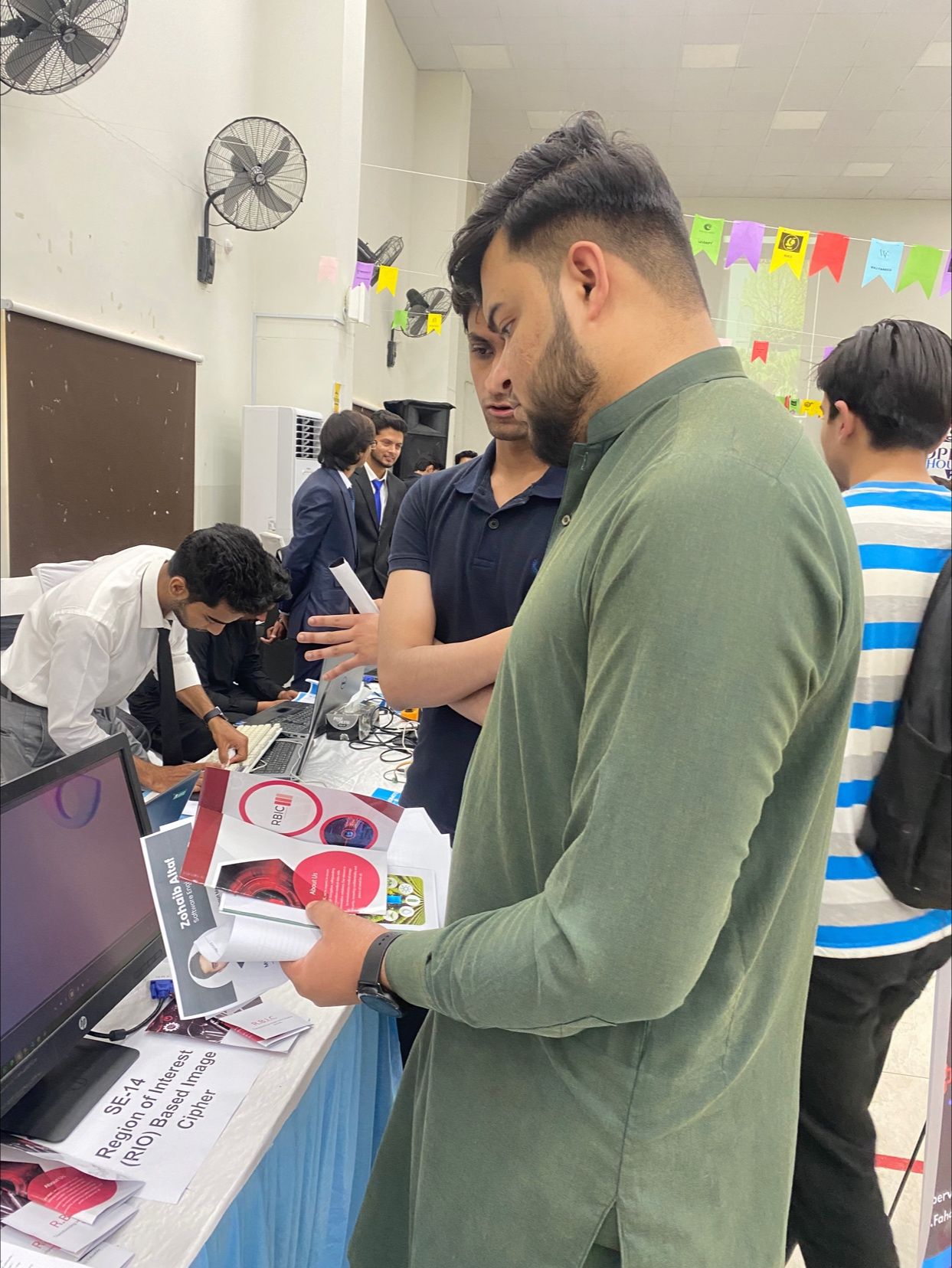
You work on real Ezitech projects with real deadlines and real revision rounds, not recycled practice exercises.
A mentor, not a playlist
Weekly reviews with someone who does this work for a living, plus a team of interns around you to build with.
Portfolio and experience letter
You finish with shipped work you are allowed to show and a letter that says exactly what you delivered.
Verified certificate
Issued by Ezitech Institute and verifiable by employers.
Experience letter
On company letterhead, stating exactly what you delivered.
A Play-ready app
A signed Android release plus a public repository.
Interview preparation
CV rewrite, portfolio case study and a technical mock interview.
A route into the team
Top performers are considered first for paid junior roles.
Confidence in review
Twelve weeks of defending your own work to a senior practitioner.
Built for you if
- You are an undergraduate or fresh graduate in CS, IT or SE
- You know object-oriented programming in any language
- You want to be hired specifically as an Android developer
- You need a real final-year project, not a clone
Not a fit if
- You want a certificate without doing the work
- You cannot give 25 hours a week for 12 weeks
- You are looking for a purely theoretical course
- You want to skip review and work alone
Questions people ask
Everything applicants email us about, answered before you apply.
Do I need to know Kotlin already?
How many hours a week does it take?
Is it remote or onsite?
What laptop do I need?
Can final-year students apply?
How do I apply?
Not sure Android is the one?
Every app development internship runs three months, hybrid, with the same mentor model. Or take the six-month All-in-One flagship.
Flutter
One Dart codebase that ships to both Android and iOS.
View trackUI & UX
A product brief turned into wireframes, a prototype and a design system.
View trackNative App
Platform-native Android and iOS, and what really differs between them.
View trackGame Dev
A playable 2D or 3D game in Unity with a store-ready build.
View trackShip an Android app that survives review
Three months, one shipped piece of real work, a mentor who reviews you every week. Registration takes five minutes.
Ezitech Institute · Rawalpindi, Pakistan · info@ezitech.org · +92 345 5555396