
UI/UX Design Internship in Pakistan
A real product brief, not a Dribbble shot. In this UI UX internship you take it from research to wireframes to a clickable prototype and a design system a developer can actually build from.
- Figma
- Wireframing
- Prototyping
- Design Systems
- User Research
- Handoff
- Figma
- Wireframing
- Prototyping
- Design Systems
- User Research
- Handoff
- Figma
- Wireframing
- Prototyping
- Design Systems
- User Research
- Handoff
- Figma
- Wireframing
- Prototyping
- Design Systems
- User Research
- Handoff
- Figma
- Wireframing
- Prototyping
- Design Systems
- User Research
- Handoff
- Figma
- Wireframing
- Prototyping
- Design Systems
- User Research
- Handoff
- Figma
- Wireframing
- Prototyping
- Design Systems
- User Research
- Handoff
- Figma
- Wireframing
- Prototyping
- Design Systems
- User Research
- Handoff
You design for developers, not for likes
Your file gets opened by a real Flutter and React team. If a state is missing, a spacing token is invented, or a component breaks at 360px, they will tell you in review.
- 1You get a product brief and access to real users to interview
- 2You wireframe, then build components with proper variants
- 3Your mentor and a developer review the file together
- 4You fix the gaps and ship a handoff-ready system
No design degree needed. Weeks 1 to 3 cover Figma, layout and type from zero.
What you will be able to do after this UI UX internship
User research
Interviews, task analysis and turning notes into real design decisions.
Information architecture
Sitemaps, user flows and navigation that matches how people think.
Wireframing
Low-fidelity structure before pixels, so layout arguments happen early and cheap.
Visual design
Colour, contrast, spacing scales and hierarchy that survives real content.
Typography
Type scales, line length and readability across phone, tablet and desktop.
Component systems
Variants, auto layout, tokens and a library that scales past one screen.
Prototyping
Clickable flows with real states, transitions and edge cases for user testing.
Developer handoff
Specs, redlines, naming and a file a developer can build without asking you.
The 12-week UI UX internship plan
Four phases. Each one ends in a deliverable that is reviewed and graded before the next opens.
Foundations
Figma, layout and the vocabulary you need in review.
- Figma essentials: frames, auto layout, constraints
- Layout grids, spacing scales, visual hierarchy
- Type and colour fundamentals, contrast and accessibility
- Reading a product brief and asking the right questions
A competitive teardown plus low-fidelity wireframes for the core flow of your assigned brief.
Research & flows
Deciding what to build before deciding how it looks.
- User interviews and turning transcripts into insights
- Personas, jobs to be done and task flows
- Information architecture and navigation models
- Sketching and rapid wireframe iteration
A validated user flow and a mid-fidelity wireframe set, reviewed against real interview notes.
System & UI
From screens to a component library that scales.
- Component variants, properties and auto layout
- Design tokens for colour, spacing and type
- Empty, loading, error and success states
- Responsive behaviour from 360px to desktop
A working design system and high-fidelity screens for the complete flow, in one organised Figma file.
Prototype & handoff
Proving it works, then handing it over cleanly.
- Interactive prototyping with real transitions
- Moderated usability testing and iteration
- Handoff specs, naming conventions and redlines
- Portfolio case study, CV rewrite, mock interview
A tested clickable prototype, a handoff-ready file and a written case study showing your decisions.
Every intern ships one real product design
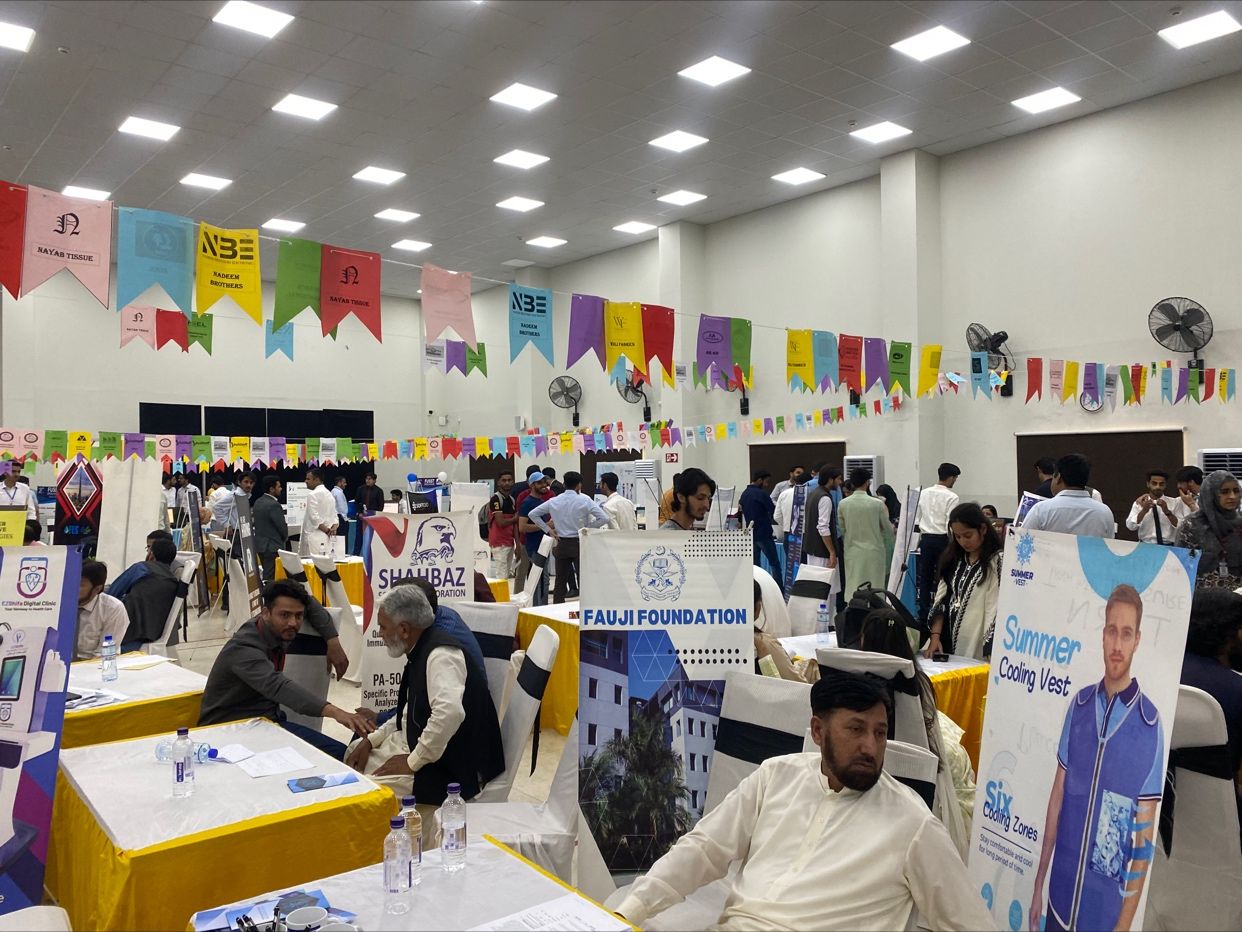
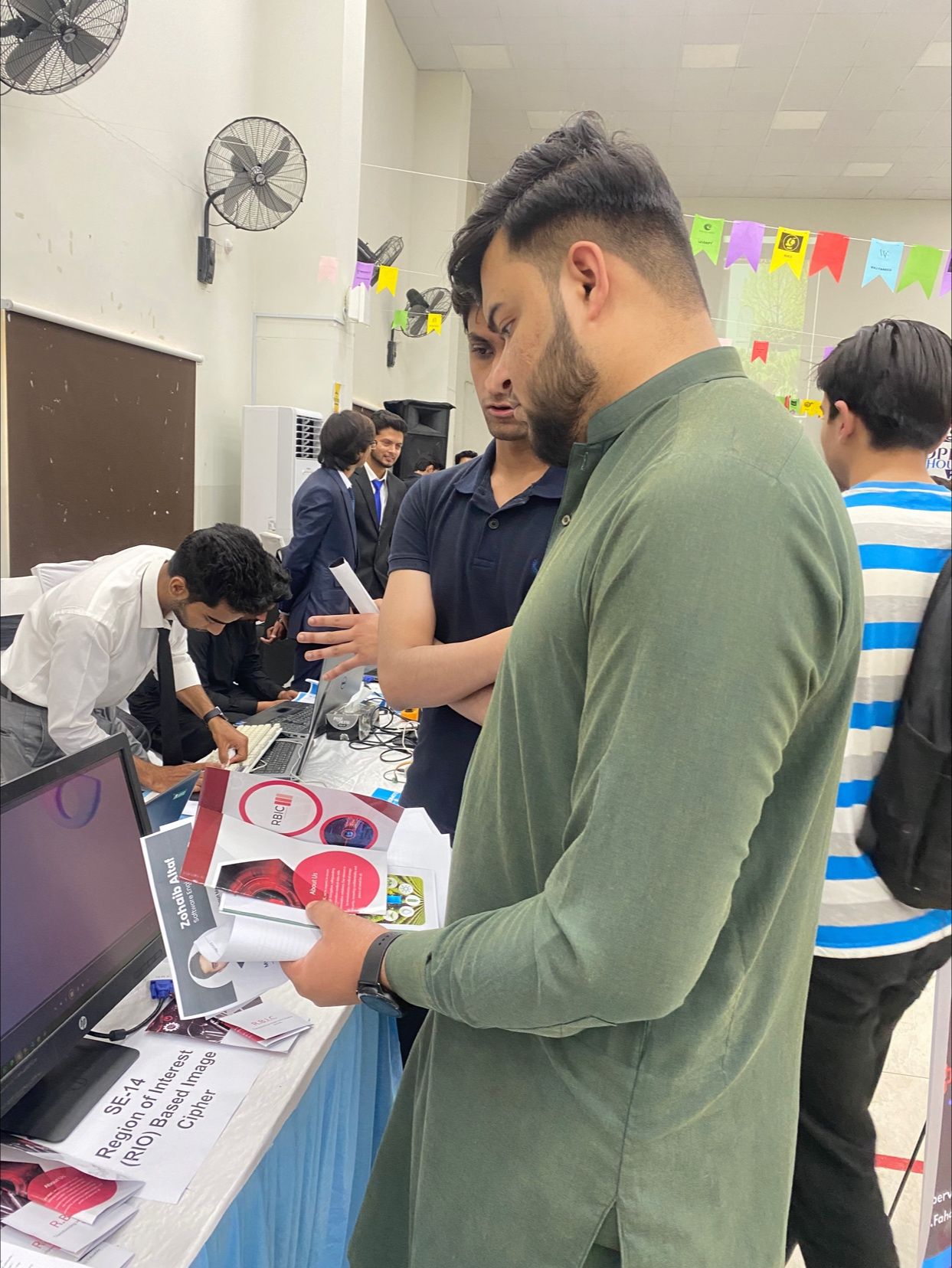
You are assigned a live brief from Ezitech’s delivery pipeline: an ERP module, a booking app, a POS screen set. You own it from research to handoff.
- Researched with real users, not assumptions
- A component library a developer builds from
- Yours to publish as a portfolio case study




What the UI UX internship includes
Three things that make this different from a course you watch on a screen.
Live client briefs
You work on real Ezitech projects with real deadlines and real revision rounds, not recycled practice exercises.
A mentor, not a playlist
Weekly reviews with someone who does this work for a living, plus a team of interns around you to build with.
Portfolio and experience letter
You finish with shipped work you are allowed to show and a letter that says exactly what you delivered.
Verified certificate
Issued by Ezitech Institute and verifiable by employers.
Experience letter
On company letterhead, stating exactly what you delivered.
A published case study
A full Figma file plus a written case study of your process.
Interview preparation
CV rewrite, portfolio case study and a technical mock interview.
A route into the team
Top performers are considered first for paid junior roles.
Confidence in review
Twelve weeks of defending your own work to a senior practitioner.
Built for you if
- You are a student or fresh graduate in design, CS, IT or a related field
- You are a graphic designer moving into product design
- You can take direct feedback on your work every week
- You want a portfolio case study, not just pretty screens
Not a fit if
- You want a certificate without doing the work
- You cannot give 25 hours a week for 12 weeks
- You are looking for a purely theoretical course
- You want to skip review and work alone
UI UX internship: questions people ask
Everything applicants email us about, answered before you apply.
Do I need design experience or a design degree?
How many hours a week does it take?
Is it remote or onsite?
Do I need a paid Figma account?
Can final-year students apply?
How do I apply?
Not sure UI & UX is the one?
Every app development internship runs three months, hybrid, with the same mentor model. Or take the six-month All-in-One flagship.
Flutter
One Dart codebase that ships to both Android and iOS.
View trackNative App
Platform-native Android and iOS, and what really differs between them.
View trackAndroid
A Kotlin app with local storage, networking and a proper architecture.
View trackGame Dev
A playable 2D or 3D game in Unity with a store-ready build.
View trackDesign something a developer will actually build
Three months, one shipped piece of real work, a mentor who reviews you every week. Registration takes five minutes.
Ezitech Institute · Rawalpindi, Pakistan · info@ezitech.org · +92 345 5555396