


Backend Development Internship
Design the API, model the database, handle the auth. Then watch the front-end interns build against it and tell you what you got wrong.
- Node.js
- Express
- MySQL
- REST APIs
- JWT
- Docker
- Node.js
- Express
- MySQL
- REST APIs
- JWT
- Docker
- Node.js
- Express
- MySQL
- REST APIs
- JWT
- Docker
- Node.js
- Express
- MySQL
- REST APIs
- JWT
- Docker
- Node.js
- Express
- MySQL
- REST APIs
- JWT
- Docker
- Node.js
- Express
- MySQL
- REST APIs
- JWT
- Docker
- Node.js
- Express
- MySQL
- REST APIs
- JWT
- Docker
- Node.js
- Express
- MySQL
- REST APIs
- JWT
- Docker
Your API has real consumers in the same building
This is the difference that matters: the front-end and mobile interns build against your endpoints. Ship a bad contract and you will hear about it in the same afternoon.
- 1You design the schema and endpoint contract first
- 2You publish the API docs before writing the handlers
- 3Front-end interns integrate and file real bugs
- 4You version, fix and deploy without breaking them
No prior Node needed: weeks 1 to 3 cover JavaScript, Express and SQL from zero.
// Week 5: validation, pagination, real error codes
router.get('/v1/orders', auth('staff'), async (req, res, next) => {
  try {
    const { page = 1, limit = 20, status } = req.query;
    if (limit > 100) return res.status(400).json({
      error: 'LIMIT_TOO_LARGE', max: 100
    });

    const { rows, total } = await orders.list({
      page: Number(page), limit: Number(limit), status
    });

    res.set('X-Total-Count', total);
    res.json({ data: rows, page: Number(page) });
  } catch (err) { next(err); }
});
Eight things you will actually be able to do
JavaScript and Node
Async/await, modules, error handling and the runtime model behind it.
REST API design
Resources, verbs, status codes, pagination, versioning and a contract that lasts.
Database modelling
Normalisation, relationships, indexes and queries that stay fast at scale.
Authentication
JWT, refresh tokens, password hashing, roles and route-level permissions.
Validation and errors
Request validation, consistent error shapes and never leaking stack traces.
Testing
Unit and integration tests against a real test database, run in CI.
Deployment
Environment config, Docker, migrations and deploying without downtime.
Performance
Query profiling, N+1 problems, caching and knowing what to measure.
The 12-week plan
Four phases. Each one ends in a deliverable that is reviewed and graded before the next opens.
Foundations
JavaScript, Express and SQL from the ground up.
- JavaScript and Node fundamentals, async/await
- Express routing, middleware and project structure
- SQL basics: select, join, group, index
- Git branching, pull requests and code review
A working CRUD service over a three-table schema, with seed data and a Postman collection.
API design
Designing a contract before writing the code behind it.
- Resource modelling, versioning and status codes
- Request validation and consistent error responses
- Pagination, filtering, sorting and search
- OpenAPI documentation the front-end team reads
A documented v1 API that the front-end interns integrate against, with published OpenAPI specs.
Auth and data
Real users, real permissions, real relationships.
- Password hashing, JWT and refresh token rotation
- Role-based access control and route guards
- Complex joins, transactions and migrations
- File uploads, storage and background jobs
A secured API with two user roles, transactional writes and a tested migration path.
Ship and operate
Getting it live and keeping it healthy.
- Integration tests and CI on every pull request
- Dockerising the service and environment config
- Logging, monitoring and structured error tracking
- Portfolio case study, CV rewrite, mock interview
A deployed API with CI, monitoring and documentation, plus a public repository and case study.
Every intern ships an API someone else depends on
You own the backend for a live Ezitech brief. Front-end and mobile interns build their capstones on top of your endpoints, which means your contract has to hold.
- Documented REST API with real consumers
- Modelled database, auth and role permissions
- Deployed, tested and monitored
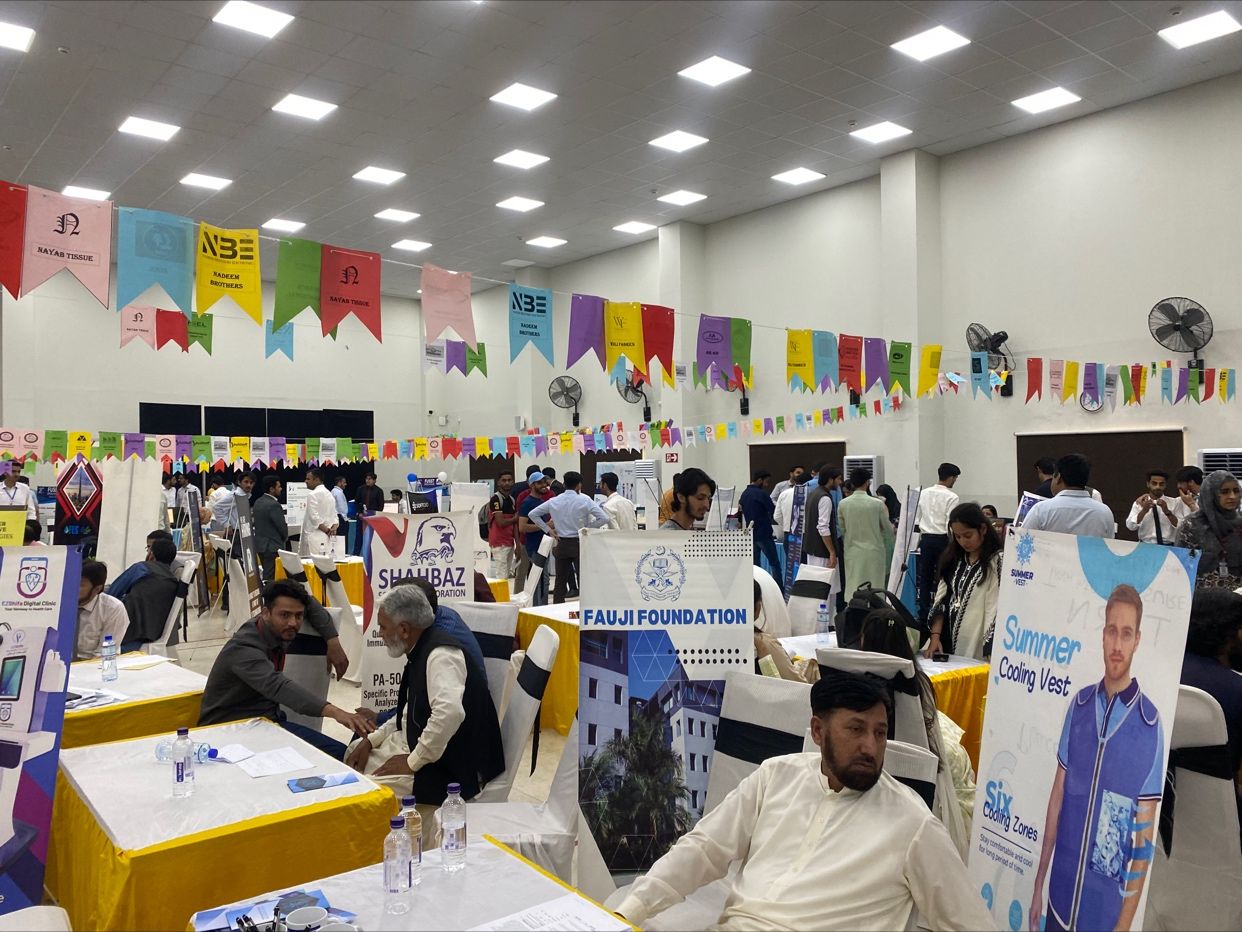


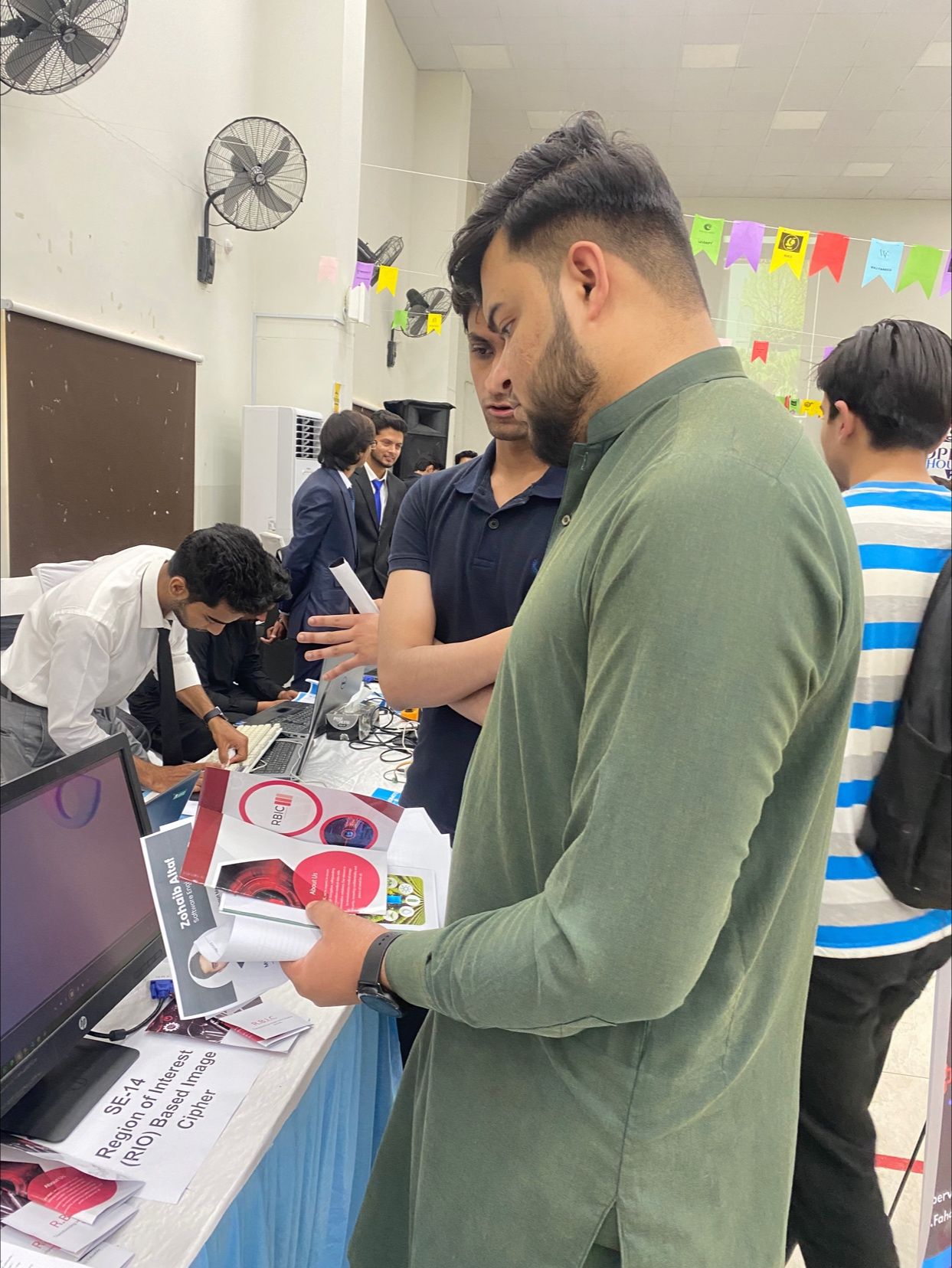


What every Ezitech intern gets
Three things that make this different from a course you watch on a screen.
Live client briefs
You work on real Ezitech projects with real deadlines and real revision rounds, not recycled practice exercises.
A mentor, not a playlist
Weekly reviews with someone who does this work for a living, plus a team of interns around you to build with.
Portfolio and experience letter
You finish with shipped work you are allowed to show and a letter that says exactly what you delivered.
Verified certificate
Issued by Ezitech Institute and verifiable by employers.
Experience letter
On company letterhead, stating exactly what you delivered.
A deployed API
A documented, deployed service with a public repository.
Interview preparation
CV rewrite, portfolio case study and a technical mock interview.
A route into the team
Top performers are considered first for paid junior roles.
Confidence in review
Twelve weeks of defending your own work to a senior practitioner.
Built for you if
- You are an undergraduate or fresh graduate in CS, IT or SE
- You know basic programming logic in any language
- You prefer data and logic to pixels
- You want a deployed service on your CV, not a localhost demo
Not a fit if
- You want a certificate without doing the work
- You cannot give 25 hours a week for 12 weeks
- You are looking for a purely theoretical course
- You want to skip review and work alone
Questions people ask
Everything applicants email us about, answered before you apply.
Do I need to know Node.js or SQL already?
How many hours a week does it take?
Is it remote or onsite?
Will I actually deploy the API, or just run it locally?
Can final-year students apply?
How do I apply?
Not sure Backend is the one?
Every web development internship runs three months, hybrid, with the same mentor model. Or take the six-month All-in-One flagship.
PHP & Laravel
A full Laravel application with MVC, Eloquent, queues and Blade.
View trackMERN Stack
MongoDB to React in one project, with auth and deployment.
View trackWordPress
Client sites, custom themes, WooCommerce and real page-speed work.
View trackFull Stack
Front end, back end, database and deployment in one programme.
View trackBuild an API a team can actually build on
Three months, one shipped piece of real work, a mentor who reviews you every week. Registration takes five minutes.
Ezitech Institute · Rawalpindi, Pakistan · info@ezitech.org · +92 345 5555396