
HTML & CSS Internship
This HTML and CSS internship covers the foundation everything else sits on. Semantic structure, modern layout, accessibility and animation. Done well enough that no framework has to rescue it.
- HTML5
- CSS3
- Flexbox
- Grid
- Accessibility
- Sass
- HTML5
- CSS3
- Flexbox
- Grid
- Accessibility
- Sass
- HTML5
- CSS3
- Flexbox
- Grid
- Accessibility
- Sass
- HTML5
- CSS3
- Flexbox
- Grid
- Accessibility
- Sass
- HTML5
- CSS3
- Flexbox
- Grid
- Accessibility
- Sass
- HTML5
- CSS3
- Flexbox
- Grid
- Accessibility
- Sass
- HTML5
- CSS3
- Flexbox
- Grid
- Accessibility
- Sass
- HTML5
- CSS3
- Flexbox
- Grid
- Accessibility
- Sass
Most front-end bugs are CSS bugs
Frameworks change every two years. Layout, cascade, specificity and accessibility do not. Interns who own these debug faster than people who skipped them for five more years.
- 1You get a Figma file and a browser support target
- 2You build it semantically before styling anything
- 3Your mentor reviews structure, contrast and keyboard use
- 4You test across real devices and measure performance
Complete beginners welcome. This track assumes no prior web experience.
/* Week 5: intrinsic layout, no media query needed */
.card-grid {
  display: grid;
  grid-template-columns: repeat(auto-fit, minmax(17rem, 1fr));
  gap: clamp(1rem, 2vw, 1.75rem);
}

.card {
  container-type: inline-size;   /* component queries */
  border-radius: 1rem;
}

@container (min-width: 22rem) {
  .card__body { display: flex; gap: 1rem; }
  .card__title { font-size: clamp(1.1rem, 2.5cqi, 1.5rem); }
}
What you will be able to do after this HTML and CSS internship
Semantic HTML
Document structure, landmarks, headings and markup screen readers understand.
Flexbox and Grid
Modern layout properly. Including when each one is the wrong tool.
Responsive design
Fluid type, container queries, breakpoints and mobile-first thinking.
Accessibility
Contrast, focus order, ARIA where needed, and keyboard-only navigation.
Design systems in CSS
Custom properties, tokens, naming conventions and scalable architecture.
Animation
Transitions, keyframes, transforms and motion that respects reduced-motion.
Sass and tooling
Nesting, mixins, build steps and organising CSS across a real project.
Cross-browser reality
Debugging in dev tools, fallbacks and testing on real devices.
The 12-week HTML and CSS internship plan
Four phases. Each one ends in a deliverable that is reviewed and graded before the next opens.
Structure
Markup that means something.
- HTML5 elements, landmarks and document outline
- Forms, labels, inputs and native validation
- Images, media, srcset and modern formats
- Git, branching and pull request workflow
A semantically structured multi-page site, unstyled, passing an HTML validation and outline check.
Layout
Flexbox, Grid and the cascade.
- Box model, positioning, stacking and specificity
- Flexbox for components, Grid for page layout
- Fluid type, clamp, container queries
- CSS custom properties and design tokens
A pixel-accurate responsive build of a supplied Figma page, holding from 320px to 1920px.
Systems and motion
Making it scale and making it feel alive.
- Sass, architecture and naming conventions
- Reusable component patterns and utility layers
- Transitions, keyframes and performant animation
- Dark mode, theming and prefers-reduced-motion
A small CSS design system with themed components and documented usage.
Accessibility and speed
The parts clients notice only when missing.
- Keyboard navigation, focus management, ARIA
- Screen reader testing and contrast auditing
- Image optimisation, font loading, Core Web Vitals
- Portfolio case study, CV rewrite, mock interview
A deployed site scoring 95+ on Lighthouse performance and 100 on accessibility.
Every intern ships a real front end
You build a real Ezitech marketing site or product interface from a Figma file, and it has to survive a keyboard-only walkthrough and a Lighthouse audit before it ships.
- Pixel-accurate from 320px to desktop
- Fully keyboard accessible with 100 a11y score
- Deployed, fast and hand-written
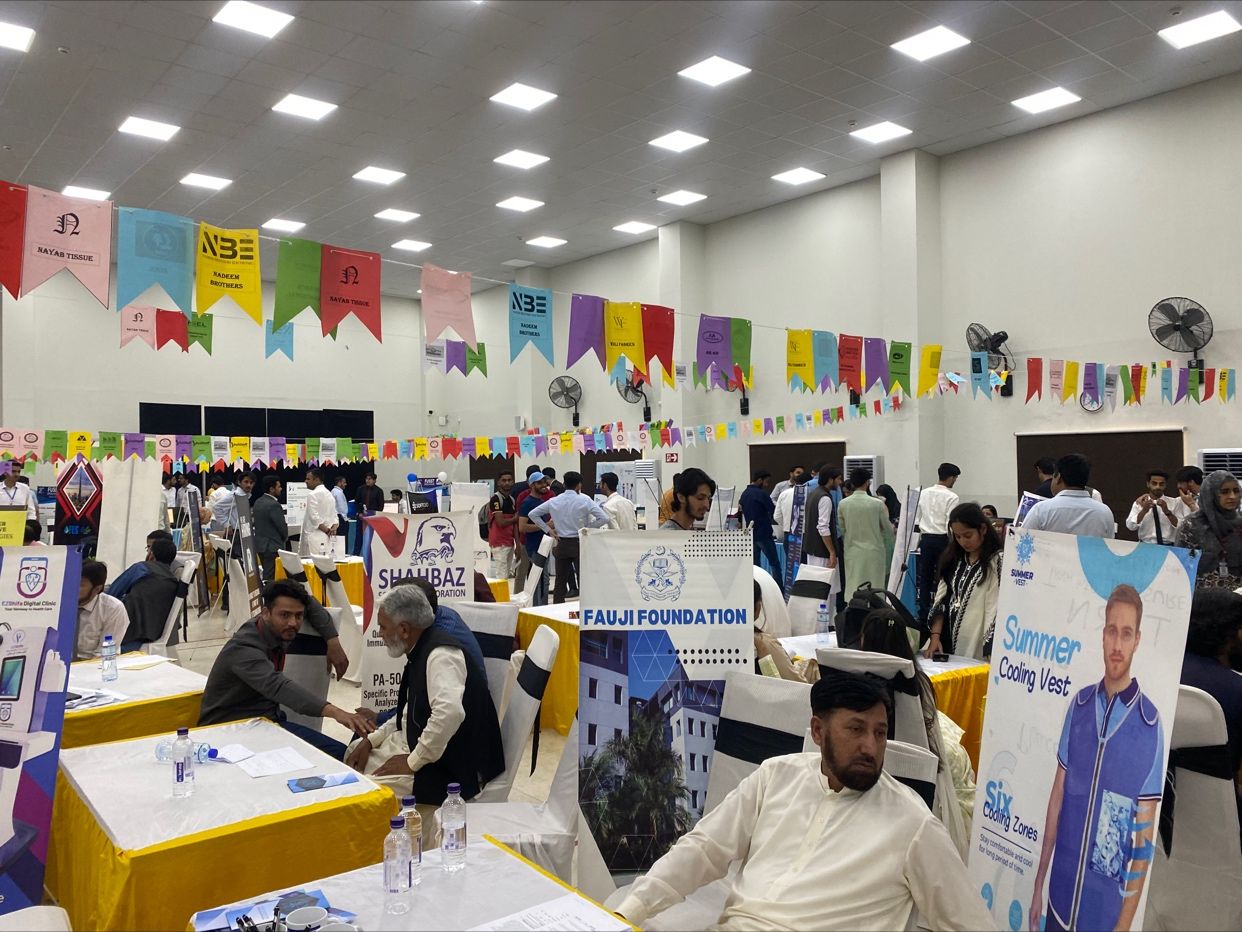


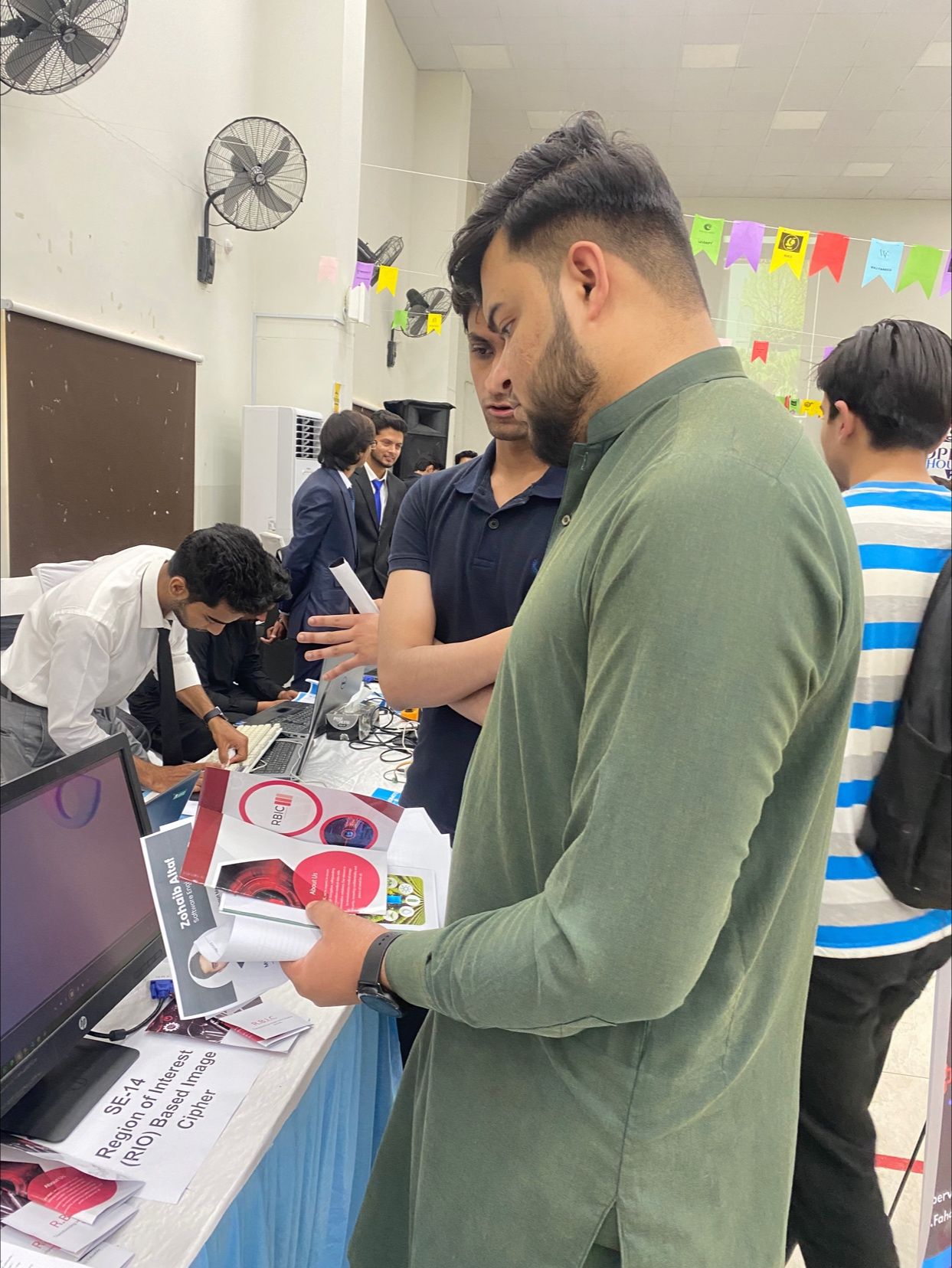


What the HTML and CSS internship includes
Three things that make this different from a course you watch on a screen.
Live client briefs
You work on real Ezitech projects with real deadlines and real revision rounds, not recycled practice exercises.
A mentor, not a playlist
Weekly reviews with someone who does this work for a living, plus a team of interns around you to build with.
Portfolio and experience letter
You finish with shipped work you are allowed to show and a letter that says exactly what you delivered.
Verified certificate
Issued by Ezitech Institute and verifiable by employers.
Experience letter
On company letterhead, stating exactly what you delivered.
A live responsive site
A published site scoring above 95 on Lighthouse.
Interview preparation
CV rewrite, portfolio case study and a technical mock interview.
A route into the team
Top performers are considered first for paid junior roles.
Confidence in review
Twelve weeks of defending your own work to a senior practitioner.
Built for you if
- You are a complete beginner who wants a solid foundation
- You are a designer moving toward front-end work
- You want to freelance building sites for clients
- You intend to learn React later and want the base first
Not a fit if
- You want a certificate without doing the work
- You cannot give 25 hours a week for 12 weeks
- You are looking for a purely theoretical course
- You want to skip review and work alone
HTML and CSS internship: questions people ask
Everything applicants email us about, answered before you apply.
Is HTML and CSS enough to get a job?
How many hours a week does it take?
Is it remote or onsite?
Do I need to learn Bootstrap or Tailwind?
Can final-year students apply?
How do I apply?
Not sure HTML & CSS is the one?
Every front-end internship runs three months, hybrid, with the same mentor model. Or take the six-month All-in-One flagship.
React JS
Component architecture, state and performance on a real product.
View trackTypeScript
Types that catch bugs before the browser does.
View trackAngular
Enterprise front ends with modules, RxJS and strong structure.
View trackVue JS
Composition API, Pinia and a real product interface.
View trackOwn the layer every framework sits on
Three months, one shipped piece of real work, a mentor who reviews you every week. Registration takes five minutes.
Ezitech Institute · Rawalpindi, Pakistan · info@ezitech.org · +92 345 5555396